

2026 Annual Meeting

Invited Workshops
The SAHM Program Committee is delighted to share with the 2026 Invited Workshop Program for the SAHM Annual Meeting in Seattle.
Schedule
- Tuesday, March 3, 2026 at 3:30 PM: Disorder of Gut-Brain Interaction: New Approaches to an Old Problem
- Wednesday, March 4, 2026 at 4:25 PM: The Promises and Peril of AI in Adolescent Healthcare
- Thursday, March 5, 2026 at 3:30 PM: Beyond the Rx Pad: Evidence-Based Herbs & Supplements for Common Teen GI Issues
Disorder of Gut-Brain Interaction: New Approaches to an Old Problem
Tuesday, March 3, 2026 from 3:00 PM - 4:30 PM
Speaker: Hannibal Person, MD, FAAP
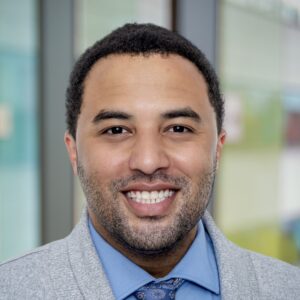
Hannibal Person, MD, FAAP
Assistant Professor
Department of Pediatrics
University of California, Los Angeles
Medical Director, Gut-Brain Health Program
Division of Gastroenterology & Hepatology
Seattle Children’s Hospital
Disorders of gut-brain interaction (DGBI), formally called functional gastrointestinal disorders, are common in adolescents, leading to bothersome and sometimes debilitating gastrointestinal symptoms. This workshop will explore the evolving conceptualization of these disorders, including their biopsychosocial conceptualization. Real-world case discussions will provide practical considerations in their diagnosis and evidence-based management of DGBI.
Learning Objectives:
- Integrate previous understanding of functional gastrointestinal disorders with emerging research redefining disorders of gut-brain interaction
- Differentiate common symptomatic manifestations of gastrointestinal diseases and disorders of gut-brain interaction to appropriately apply diagnostic criteria
- Analyze symptom patterns in disorder of gut-brain interaction to create multimodal and comprehensive acute and chronic treatment plans
Learn More about Hannibal Person, MD, FAAP
Hannibal Person, MD, FAAP is an assistant professor in the Department of Pediatrics at the University of Washington. He is the Medical Director of the Gut-Brain Health Program within the Division of Gastroenterology & Hepatology at Seattle Children’s Hospital. He also served as the Medical Director for the Center for Health Outcomes. He is passionate about disorders of gut-brain interaction, including the development of novel care delivery models and therapeutics for children and adolescents with these disorders.
The Promises and Peril of AI in Adolescent Healthcare
Wednesday, March 4, 2026 from 4:25 PM - 5:55 PM
Speaker: Paul Patterson, MD, PhD

Paul Patterson, MD, PhD
Chief, Developmental and Behavioral Pediatrics
Walter Reed National Military Medical Center
Artificial intelligence (AI) is rapidly entering the spaces where adolescents seek care, information, and support—often faster than clinicians or health systems can respond. Adolescents and young adults are already using AI tools to ask sensitive health questions, interpret symptoms, and navigate mental health concerns, while clinicians are encountering AI-generated content in clinical workflows, patient messaging, and educational materials. This creates both significant opportunities and meaningful risks for adolescent health care. This session will provide adolescent health professionals with a clear, clinically grounded framework for understanding how AI currently functions in healthcare and where it may meaningfully support—or undermine—adolescent well-being.
Learning Objectives:
- Recognize how artificial intelligence is currently used in adolescent healthcare and understand how these applications intersect with adolescent development, autonomy, and vulnerability.
- Distinguish clinical contexts in which AI may support care delivery, communication, or efficiency from those in which its use may pose ethical, equity, or confidentiality concerns for adolescents and young adults.
- Implement practical approaches to engaging with AI tools thoughtfully in clinical practice, ensuring their use supports clinical judgment and adolescent-centered care.
Learn More about Paul Patterson MD, PhD
Paul Patterson, MD, PhD, is a dual board-certified pediatrician and developmental-behavioral pediatrician with expertise in child and adolescent development. He is a clinician, educator, and innovator with more than 29 years of active-duty service, during which he has led teams and delivered care in diverse clinical and cultural settings worldwide. His global clinical experience informs his advocacy for equitable, developmentally informed healthcare for children and adolescents. Dr. Patterson’s work focuses on the thoughtful adoption of emerging technologies in healthcare, including the use of artificial intelligence to support clinical care while understanding and mitigating its impact on child and adolescent development. He continues to explore the intersection of medicine and technology to improve care for vulnerable populations.
Beyond the Rx Pad: Evidence-Based Herbs & Supplements for Common Teen GI Issues
Thursday, March 5, 2026 3:30 PM - 5:00 PM
Speaker: Ann Ming Yeh MD, FAAP

Ann Ming Yeh MD, FAAP
Clinical Professor
Medical Director, Pediatric Integrative Medicine Program
Fellowship Director, Pediatric Integrative Medicine Fellowship
Pediatric Gastroenterology, Hepatology, and Nutrition
Stanford University
This talk will focus on effective for herbs and supplements for irritable bowel syndrome, chronic nausea, constipation, and gut health.
Learning Objectives:
- Describe when ginger might be used in an adolescent with a disorder of the gut brain interaction and discuss potential side effects and contraindications
- Identify 3 botanicals that can be used for chronic nausea, irritable bowel syndrome, and chronic constipation.
- Describe available resources to assess the efficacy and quality of a botanical or nutraceutical supplement.
Learn More about Ann Ming Yeh MD, FAAP
Dr. Ann Ming Yeh is a Clinical Professor at Stanford University in Pediatric Gastroenterology and practices at Lucile Packard Children’s Hospital and Stanford Children’s Health. She completed her residency and GI fellowship at Stanford University. Dr. Yeh’s research interests include diet therapies for inflammatory bowel disease, nutrition, small intestinal bacterial overgrowth, and integrative medicine for pediatric gastroenterology. She has presented her work on medical education, inflammatory bowel disease, and integrative medicine for GI disorders at national and international meetings. She completed a two-year distance learning fellowship through the University of Arizona’s Center for Integrative Medicine where she gained additional expertise in mind-body therapies, botanicals, and nutritional supplements. She is also a formally trained and board-certified medical acupuncturist. With skill and compassion, Dr. Yeh treats her patients with a comprehensive, evidence-based, holistic approach. She is currently the program director for the nation’s premier fellowship for Pediatric Integrative Medicine and the medical director for the Pediatric Integrative Medicine Program.