

SAHM 2027-2028 Leadership Election
The election of SAHM officers will begin on Thursday, November 12, 2026 and conclude on Monday, December 14, 2026. Learn more about your colleagues who aspire to serve SAHM in a leadership position below.
President-Elect (2027-28)
- Anisha Abraham, MD, MPH
- Errol Fields, MD, PhD, MPH
At-Large BOD Members (2027-30)
- Heather Austin, PhD
- Liana Clark, MD, MS, FSAHM
- Tanya Mullins, MD, MSCE, FSAHM
- Lindsay Taliaferro, PhD, MPH
Nominations Committee (2027-29)
- Romina Barral, MD
- Chinwe Efuribe, MD, MPH
- Laura K. Grubb, MD, MPH
- Abigail Harrison, MD
- Kacie Kidd, MD
Once the election opens, all members of SAHM eligible to vote will receive an email from eBallot with a unique Username and Password login credentials. Be sure to check your inbox and spam folder for the message. If you do not receive it, please email SAHM Headquarters to request for it to be resent.
Click the plus sign next to each question to learn more about the candidates.
President-Elect (2027-28)
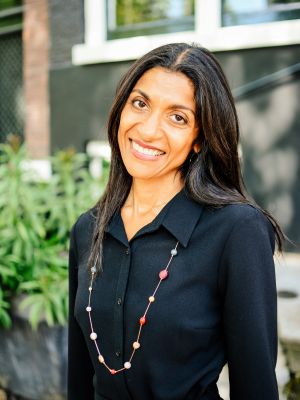
Anisha Abraham, MD, MPH

Anisha Abraham, MD, MPH
Every day, SAHM members help young people feel seen, healthy, and safe. For more than 30 years, I’ve shared that mission in my work across academic, military, school-based, and international settings. As a pediatrician, adolescent medicine physician, advocate, researcher, and educator, I’ve cared for underserved youth, built programs, advised policymakers, and assisted families navigate complex health issues. I also helped develop SAHM’s Aspirational Plan and see it as a roadmap for results. As President, I would focus on five interconnected priorities guided by the plan: amplify our voice, advance exceptional care, expand our reach, invest in our workforce and future leaders, and put evidence into action.
Advocacy: Amplify our voice. SAHM should be the primary professional voice for adolescent and young adult health and ready to lead in real time when urgent issues arise. My experience testifying before policymakers, participating in Capitol Hill briefings, advising the U.S. State Department and World Bank has shown me that credible expertise and strong coalitions can shape policy. As a media spokesperson and filmmaker, I would encourage the use of storytelling, social media, and other platforms to bring adolescent health issues to wider audiences. I would also focus on strengthening alliances with professional societies and youth-serving organizations, and engaging adolescents and young adults as advocacy partners. Measurable action: Establish a rapid-response advocacy and communications team. In the US, develop active relationships with every member of Congress with a healthcare background.
Clinical Care: Advancing exceptional care. My work with immigrant, military, school-based, and global communities has reinforced my view that excellent adolescent care must be equitable, evidence-based, and culturally responsive. I would focus on translating our members’ expertise into usable clinical guidance and promoting models that extend adolescent health expertise across settings. I would also advocate for stronger reimbursement models recognizing the complexity and value of adolescent health care. Because burnout and isolation are real, I support programming on wellbeing, healthcare financing, and sustaining efficient clinical services. Measurable action: Launch development of at least two SAHM clinical care guidelines in high-priority areas identified through our special interest groups (SIGs) and expert members.
Education: Expand our reach. SAHM should be a welcoming place where professionals of every discipline, background, and career stage learn and connect. As a former Fellowship Director, public health educator, and author of Raising Global Teens, I have taught trainees, teens, and parents around the world. We can reach well beyond our annual meetings through practical virtual education, support for the new board review course, and resources for patients and families. Measurable action: Build on the year-round virtual education series and create at least three patient- and family-facing educational resources.
Professional Development: Build the adolescent health workforce and invest in future leaders. One trusted mentor can change a career. We need to build a stronger, more sustainable workforce pipeline for all disciplines, attracting new providers and professionals, and developing the next generation of leaders. That means strengthening mentorship and networking across career stages, including for members in under-resourced settings, while deepening connections through SIGs, committees and regional chapters. Sustaining that pipeline also requires addressing the conditions that shape recruitment and retention by advancing salary equity, improving reimbursement for adolescent health, and supporting work-life balance. Measurable action: Develop and launch a SAHM professional development curriculum that supports multi-disciplinary trainees and early-career professionals pursuing adolescent health through coaching, mentorship and leadership development, with participation tracked annually.
Research: Put evidence into action. As a published researcher on health equity, violence prevention, obesity, and social media, I know that SAHM can help members not only produce strong research, but apply findings to care, education, policy, advocacy, and public conversation. We can expand research mentorship, connect investigators across disciplines and countries, and create clearer opportunities to share findings, including emerging work on sustainability and AI. Measurable action: Hosting a research-to-action forum each year, pairing investigators with clinical, education, communications, and advocacy partners to accelerate dissemination.
I recommend focusing on these key priorities and measurable actions and using the Aspirational Plan as a framework for ensuring progress. SAHM’s greatest strength is its multidisciplinary community, and our collective expertise can make an enormous difference in the lives of young people.
Every young person deserves to feel valued, and able to access the care they need. Too many do not. SAHM can help change that by putting young people at the center, especially those whose voices are missing.
Support young people and strengthen advocacy. When young people help shape solutions, those solutions are more relevant and lasting. In the U.S. and globally, SAHM can bring together youth, families, professional societies, and community organizations to shape policy, working directly with policy makers and elected officials. We should champion confidential care for immigrant and refugee youth regardless of immigration status, bridge language barriers, stand alongside LGBTQ+ youth, support affirming care, and protect comprehensive mental health, sexual and reproductive healthcare.
Make care affordable and sustainable. SAHM can use its expertise with policymakers, and health systems to advocate for coverage and reimbursement that support prevention, mental health, confidential services, and multidisciplinary teams. Coordinating this work across our membership and partners can ensure progress outlasts any one president’s term.
Build the workforce early. We can introduce adolescent medicine in high schools, colleges, and medical schools; support trainees and early-career professionals; and create clear pathways into training and fellowship. We must also strengthen the pipeline by advancing salary equity, improving reimbursement for adolescent health, and supporting work-life balance.
Strengthen global partnerships. SAHM should invest in equitable, locally led partnerships that exchange expertise, strengthen training in under-resourced settings, advance mental health, promote gender equity, and address gender-based violence. With international organizations like IAAH, WHO, and FIGIJ, we should identify top global priorities for the next five years.
Lead on climate and sustainability. SAHM can make climate change part of our agenda through provider education, youth partnerships, and responsible practices.
With youth engagement, long-term collaborations, and measurable goals, SAHM can help our members and young people thrive.
For three decades, young people have been at the heart of my work, but my professional journey has been somewhat different from many. Alongside traditional clinical and academic roles, I have pursued opportunities across different countries and disciplines. These experiences have shaped how I listen, build connections, and imagine new possibilities.
Global Voice. Ten years living and working internationally, including teaching public health in Hong Kong and Amsterdam, broadened my understanding of culturally responsive care. Writing Raising Global Teens, speaking at TEDxhttps://www.youtube.com/watch?v=tIs7Q9i5fas, co-producing the film One Small Visit, and contributing to the media platforms like CNN, Fox News and BBC has taught me how to translate complex ideas into stories that connect with diverse audiences.
SAHM. SAHM has been my professional home since 1996. I have served as Program Committee Chair, Board member-at-large, Plenary Co-chair, Development Chair, Strategic Development Committee member, and Chesapeake Chapter President. My work with the American Academy of Pediatrics along with International Association of Adolescent Health has also shown me the power of collaboration across organizations.
Leadership. I had the privilege of leading adolescent medicine programs at Womack Army Medical Center, Walter Reed National Military Medical Center, and Georgetown University Hospital. In my current role as Division Chief at Children’s National in DC, I helped rebuild our division after pandemic-related transitions, expanded multidisciplinary programs, and secured more than $7 million in grant funding. These experiences strengthened my ability to build coalitions, support faculty, and turn ambitious ideas into sustainable programs.
My approach. My professional journey has taught me that leading an organization requires humility, curiosity, and a willingness to approach challenges from different perspectives. As President, I would bring that mindset to SAHM: listening closely, building consensus, and strengthening connections while keeping adolescents and young adults at the center of all we do.
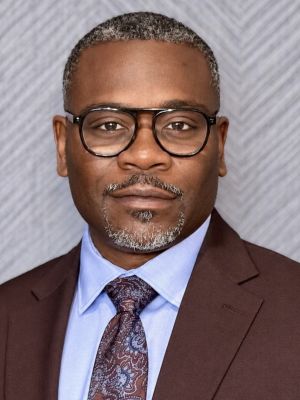
Errol Fields, MD, PhD, MPH

Errol Fields, MD, PhD, MPH
The priorities that resonate most strongly with me are advocacy, education and workforce development, and research. These have been longstanding commitments throughout my career, and I see them as deeply interconnected. Research generates evidence, education prepares our workforce and future leaders, and advocacy translates that knowledge and expertise into meaningful change.
The recent midterm elections bring renewed energy and a sense of possibility to this work. Young people once again demonstrated their capacity to influence the issues that matter most to them and their communities, with turnout among 18-29-year-olds reaching one of the highest levels seen in a midterm election in the past three decades. Their engagement serves as a powerful reminder that adolescents and young adults are not simply the beneficiaries of policies and systems; they are increasingly helping to shape them. For SAHM, this moment offers an opportunity to deepen the commitments already articulated in our Aspirational Plan, including meaningful partnership with adolescents and young adults across our advocacy, education, workforce development, and research efforts. That principle would guide how I approach each of my priorities as President.
Advocacy would be one of my highest priorities as President. My commitments would reflect the work that has shaped my career: improving access to comprehensive and confidential adolescent health care, advancing HIV prevention and treatment, promoting sexual and reproductive health, and addressing inequities affecting LGBTQ+ youth and young people from minoritized racial and ethnic communities, particularly those navigating intersecting forms of marginalization. SAHM’s scientific credibility and multidisciplinary expertise position us to champion these issues and support members working to improve young people’s lives.
Consistent with the Aspirational Plan, I would build on the work of the Advocacy and Youth Engagement Committees and engage regional chapters to shape a focused, actionable advocacy agenda informed by members, adolescents, and young adults. Chapters could help identify regional concerns, local and state legislative opportunities, and priorities within schools, health systems, and other institutions. International members and partners would contribute perspectives from their settings. This engagement would help shape our shared agenda while identifying where SAHM’s expertise and resources could best support locally relevant action.
Our approach should recognize that advocacy takes different forms, with different opportunities for influence across communities. Legislative engagement may offer the strongest path to change in one setting. In another, educating institutional leaders, strengthening professional training, or generating research that documents unmet needs and evaluates solutions may provide greater leverage. I would connect these approaches through SAHM’s existing structures, making education and research integral to how we advance our advocacy goals.
A strong, well-prepared workforce is essential to this vision. Throughout my career, I have been passionate about training future leaders in adolescent health and creating opportunities for learners and interdisciplinary colleagues to develop the knowledge, skills, and confidence to care for young people. As a Fellowship Program Director, educator, and mentor, I have seen firsthand that investing in people multiplies impact.
My work examining the future of the adolescent medicine workforce has reinforced the urgency of addressing persistent shortages, geographic disparities in access to specialized care, and the growing complexity of adolescents’ and young adults’ needs. It has also strengthened my conviction that meeting these challenges requires more than increasing the number of fellowship-trained adolescent medicine physicians. We must extend adolescent health expertise across disciplines and professions while sustaining the specialists who provide care, develop evidence, and train others.
As President, I would prioritize multidisciplinary education, mentorship, and leadership development; advocate for policies that support workforce recruitment and retention; and support innovative approaches to extending expertise into underserved communities. Engagement with accrediting and certifying bodies would offer another avenue to strengthen adolescent health competencies across professions and specialties. These investments would help prepare a diverse workforce to meet young people’s needs and sustain the future of our field.
Research is another area of deep personal and professional importance to me. As a clinician-scientist, I have always viewed research as a tool for improving lives. It provides the evidence that informs clinical practice, shapes policy, and strengthens advocacy. As one of the leads for the research component of SAHM’s Aspirational Plan, I helped shape these priorities and would welcome the opportunity to advance their implementation as President. I would champion research that examines the underlying causes of adolescent health disparities and identifies effective approaches to reducing inequities affecting minoritized and socially disadvantaged young people.
To strengthen members’ capacity to advance this work, I would collaborate with the Program Committee to establish standing research training and professional development programming at the Annual Meeting, building on existing offerings. Programming would emphasize community- and youth-engaged research and create opportunities for collaboration across disciplines, drawing on SAHM’s strengths in medicine, nursing, psychology, social work, and other fields. A resource library of existing training and methodological materials would extend access beyond the meeting and support members at different career stages.
I would also support the development of accessible tools that help adolescents, young adults, caregivers, and communities understand and use research findings. These resources could help young people and community partners bring evidence into their own advocacy, connecting research directly to the priorities they identify. Particularly when science and evidence are increasingly challenged, SAHM must support rigorous research and help ensure that its findings are both accessible and influential in decisions affecting young people’s lives.
Across these priorities, health equity must remain a guiding principle. Adolescents and young adults do not experience opportunities and challenges equally. Our work must address the structural, social, economic, and political conditions that shape health, with sustained attention to marginalized and underrepresented communities.
The Aspirational Plan’s commitment to youth engagement would guide how we carry out this agenda. In addition to helping shape advocacy priorities, adolescents and young adults should have meaningful opportunities to inform education and training, including what professionals learn about their needs and experiences of care. Their involvement in defining research questions and identifying outcomes that matter to them would further strengthen the youth-engaged research described above. Building on the Youth Engagement Committee’s work, I would support making these partnerships a sustained part of how SAHM advances its mission.
Ultimately, I would want my presidency to be remembered for strengthening SAHM’s ability to turn evidence and expertise into action, in partnership with young people and the communities we serve. By connecting advocacy, workforce development, and research, we can build on SAHM’s strengths and advance a shared vision in which all adolescents and young adults can thrive.
I believe SAHM’s greatest opportunity is to leverage our multidisciplinary community to bridge evidence, practice, and policy. Improving adolescent and young adult health, particularly for marginalized communities, requires more than excellent clinical care. It requires translating evidence into policies, systems, and programs that improve outcomes and reduce inequities.
First, SAHM must remain a strong and visible advocate for adolescents and young adults. Across the U.S. and globally, many young people face barriers to essential health services, particularly those affected by poverty, racism, discrimination, stigma, and other forms of marginalization. Building on the work of SAHM’s Advocacy and Diversity Committees, SAHM should leverage its scientific credibility and multidisciplinary expertise to inform policy, promote evidence-based approaches to adolescent health, and ensure young people’s needs are represented in decision-making.
Second, SAHM must continue strengthening the diverse, multidisciplinary workforce that serves adolescents and young adults. Building on the efforts of the Education and Workforce Committees, SAHM can expand adolescent health expertise across disciplines, strengthen mentorship, and prepare the next generation of clinicians, researchers, educators, advocates, and leaders.
Third, SAHM should continue advancing research that not only identifies disparities but also develops and evaluates solutions. Through the Research Committee’s focus on dissemination, translation, and health equity, SAHM can help ensure effective interventions are implemented in clinical practice, public health systems, schools, and communities.
Finally, SAHM should continue centering youth voices and community partnerships across all our work. The Youth Engagement Committee reflects an important recognition that the most effective solutions are developed with adolescents and young adults, not simply for them.
Ultimately, SAHM’s greatest strength is bringing together diverse expertise in service of young people. By advancing advocacy, workforce development, research, and youth engagement, SAHM can continue improving the health and well-being of adolescents and young adults worldwide.
Serving as President of SAHM would be a tremendous honor and a natural extension of my longstanding commitment to this organization and to improving adolescents’ and young adults’ health and well-being. Throughout my career, I have pursued better outcomes for young people, particularly those facing inequities or barriers to care, through clinical care, research, education, mentorship, and advocacy.
What has always drawn me to adolescent health is the opportunity to influence life trajectories during a pivotal stage of development. Whether caring for patients, generating evidence, mentoring future professionals, or advancing policy and systems change, I am motivated by the lasting impact we can have on young people’s lives.
As a clinician-scientist, educator, and organizational leader, my work has focused on improving access to care, advancing HIV prevention and treatment, promoting sexual and reproductive health, and addressing inequities affecting LGBTQ+ youth and young people from minoritized racial and ethnic communities, including those navigating intersecting forms of marginalization.
These commitments have also guided my service within SAHM, my professional home for more than 15 years. I have served as President of the Chesapeake Chapter, Chair of the HIV/STI Subcommittee, leader of the HIV Special Interest Group, and a member of the Abstract Review Committee, Workforce Committee, Aspirational Strategic Planning Committee, and Journal of Adolescent Health Editorial Board. Most recently, I have served as Board Member-at-Large. These experiences have deepened my understanding of SAHM’s governance and strengthened relationships across our multidisciplinary community.
If elected, I would bring collaborative leadership, a commitment to listening, and a focus on connecting advocacy, workforce development, and research. I am optimistic about what we can accomplish alongside young people and would welcome the opportunity to work with SAHM members to translate our shared priorities into meaningful action.
At-Large Board of Directors (2027-30)
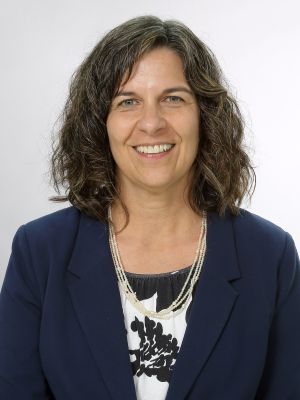
Heather Austin, PhD

Heather Austin, PhD
Being chosen to serve as a SAHM At-Large member would be an honor for me. As a clinical psychologist, my training and professional work have focused on integrating the science and practice of psychology to improve the overall health and well-being of children and adolescents, and I believe this fits well with SAHMs mission and vision. I would also do my best to act as an ambassador for our organization in all that I do. I have valued my SAHM experience and crossing paths with all the enthusiastic, hard-working advocates for adolescents and young adults across the globe.
For SAHMs Aspirational Plan, Dr. Lisa Barkley’s focus on building a more sustainable advocacy infrastructure, and expansion of high-quality education and resources are agendas I would continue to support. I would love for our organization to continue to highlight the expertise of our members and resources we create each year during our annual meeting and beyond. Along with this, I think our website could be more effective in presenting and promoting the excellent work of our organization and members. I think a modern digital space could increase our presence, promote partnerships toward this effort, and improve perception of our organization as the preeminent resource for adolescent and young adult health.
Another area of interest for me would be an ongoing focus on increasing and sustaining our diverse, multidisciplinary global membership through ongoing process of needs assessment, guidance, and resources. I think an increased focus on professional development opportunities, such as networking, career development and collaboration would be co-aligned with this goal.
As a clinical psychologist in Alabama, my area of focus for adolescent and young adult health has been addressing the high incidence of mental health difficulties, limited available mental health resources, and difficulties with equitably accessing those resources. This concern is not just an Alabama concern it is a global concern, and I would like to see SAHM continue to support and prioritize efforts to improve mental health.
Another aspect of care I think about for adolescent and young adults are initiatives focused on prevention. Most of the health concerns our adolescents and young adults experience are preventable. Efforts through policy and education can make an incredible impact on issues such substance use, interpersonal violence, sexual health, nutrition, and physical activity. I would encourage our leadership to listen, gather data, and support agendas that our membership believes can have the most successful impact.
My professional growth and lessons in leadership began during my Maternal and Child Health (MCH) Leadership Education in Neurodevelopmental and Other Related Disabilities (LEND) fellowship. As a LEND fellow, I valued and learned to navigate interprofessional interactions within academic, clinical and community settings. Often, my role was providing family centered care and advocacy for those we serve. Being introduced to this model of care changed my perspective and positively influenced my confidence, leadership skills, and career choices moving forward.
Currently, I am the clinical psychologist and co-Director of the Leadership Education in Adolescent Health (LEAH) program at the University of Alabama at Birmingham (UAB) where I continue to enjoy interprofessional teamwork and cultivate my passion for lifelong learning and training upcoming leaders in the area of adolescent health. I have also been able to further develop my leadership skills by becoming a Crucial Conversations trainer and learning more about conflict resolution and consensus building, valuable qualifications supporting my role as a leader. My leadership experience also includes serving as president of the Alabama Psychological Association. Using my strengths of curiosity, problem-solving, social connection, and hard work I was able to increase and diversify our membership and work toward actively protecting and advancing our profession.
During my 7-year membership with SAHM, I have served as co-chair and chair of both the Mental Health and the Networking and Career Development Committees. I currently serve on the SAHM Award Committee for Outstanding Achievement in Adolescent Health and Career Development. Through a servant leadership style, I prioritize collaboration, listen to diverse member voices, and build healthy organizational cultures. As an At-Large Board Member, I plan to work to strengthen our professional networks, support provider wellness, and advance SAHM’s core mission of improving youth and young adult health worldwide.
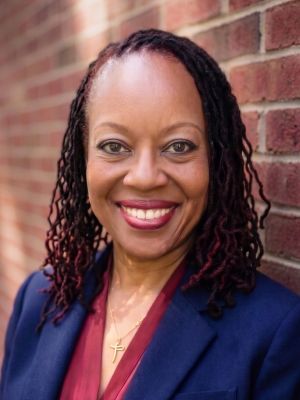
Liana Clark, MD, MSCE, FSAHM
Liana Clark, MD, MSCE, FSAHM
I was a committee chair when SAHM developed its Aspirational Plan, and I was excited to help shape such ambitious goals for an organization I have loved for over 30 years. As an At-Large member, I would draw on an eclectic career to move those goals from aspiration to foundation.
A stronger scientific footing. Clinical Objective 1A asks SAHM to be the preeminent resource for AYA clinical care. That standing is earned through evidence from every discipline that touches young people’s health. Rigorous, current science lets us educate our members and build the guidance they reach for first. Through the Vaccination Committee, I am building immunization resources for adolescents, parents, and clinicians, a model I would extend across SAHM.
Partnerships from local to global. Advocacy Goals 2 and 3 call for collaboration with organizations at every level, across sectors and disciplines. Partnership also means building the evidence base together, through joint convenings and landscape assessments that define where AYA health stands. Building partnerships with organizations large and small was central to my career long before I chaired the Vaccination Committee. I would bring that experience to SAHM, so we set standards rather than react to them.
Connection at every career stage. Professional Development Objectives 1A and 1C call for year-round networking and stronger mentorship and sponsorship. SAHM’s energy too often gathers at two ends: senior leaders on one side, fellows and early-career members on the other. Mid-career members, carrying heavy clinical and institutional loads, can be stretched too thin to connect. I would champion two steps: an online community that recreates the connection we feel at annual meetings through Whova, and a roster of members across SAHM’s many disciplines who volunteer as sounding boards for colleagues at any stage. Finding guidance should not depend on knowing someone who knows someone.
Thirty years ago, I published an essay in JAMA called “Teen Sex Blues.” The factors I saw most often in my patients then are the same ones that impact AYA today: hopelessness, and a sense of “what difference does it make anyway?” We live in a turbulent, hot-take, clickbait-ridden, influencer-as-expert society that often feels like more is going wrong than going right.
This is where SAHM comes in. Our Society has always focused on a population that would otherwise drop through the cracks or be overlooked. And if teens in general fall through the cracks, LGBTQ+ youth, youth of color, and rural and under-resourced youth fall farther and faster.
Our job is to protect AYA from threats to their mental and physical health, at home and around the globe. Here is where I would start.
First, be at every table that affects AYA: from AAP, AAFP, and ACOG to UNICEF and WHO, including new partners we help get started. We must be the voice above all others for young people. That is a stretch for a small society, but anyone who knows us knows we are small and fiercely dedicated to AYA.
Second, at every table, make clear that SAHM stands for ALL AYA: bring in the young people who are usually left out, cede them the floor, and keep asking who is missing and how we get them in.
Third, put our expertise and our voices to work: creating rapid, evidence-based statements when policy shifts, protecting confidential care, and building youth-facing tools that help AYA tell good information from noise online.
Fourth, create a SAHM working group on AI. Young people are using these tools on their own, in uncharted territory. We need to draw the map.
We give hope, we build self-efficacy, we craft futures.
When I arrived at DC Children’s in 1991 to train under Larry, Tom, and Kathy, I had no idea where the next 35 years would lead. I only knew adolescent medicine was not a career. It was a calling, sparked the week my first teen patient, a 14-year-old runaway at the LA Free Clinic, came back to say she had gone home.
I planned to go back to LA and practice somewhere like Kaiser. I never saw myself as an academic. Then research turned out to be fun, and so was teaching residents the care and feeding of adolescents. Twelve years at CHOP, building a practice where every teen got the same care. An MSCE and a K23. The research bug stuck.
Industry? Never saw that coming either. But vaccines reach millions of adolescents I would never meet. Go big or go home. I went big: nearly two decades of scientific leadership protecting adolescents from HPV-related cancers and pertussis, and newborns through vaccination in pregnancy.
Industry runs on deadlines and precision; adolescent medicine runs on holding space. Good leadership needs both: I listen first, then drive toward the outcome.
That got tested in 2025. As Vaccination Committee chair, I watched federal immunization advisory infrastructure fracture. Some wanted a five-alarm stance; others feared retaliation. I asked what I always ask: what protects our patients? We could not be silent. We could not be reckless. So we were precise.
At Howard, Dr. LaSalle Leffall taught me his mantra for leadership: equanimity under duress. My family’s version: when someone collapses in public, I am already heading over while they tell bystanders, “She’s a doctor. Let her help.”
Thirty-five years in, adolescents still get my full self, whether I am holding a chart, a dataset, a microphone, or a seat at the table.
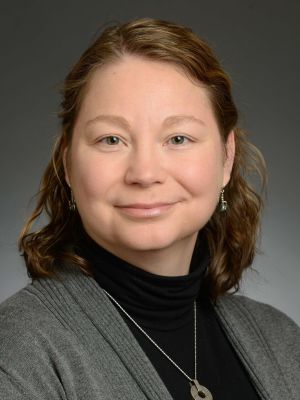
Tanya Mullins, MD, MS, FSAHM
Tanya Mullins, MD, MS, FSAHM
Using SAHM’s Aspirational Plan as a framework, my top priorities to pursue as an At-Large member would be:
- Advocacy: SAHM has historically advocated for the health of all youth, and we need to continue to do this loudly, often, and all over the world. Continuing to partner with other organizations who care about youth (AAP, IAAH) will amplify our voice. Youth globally face numerous challenges, from accessing evidence-based care to violence to climate change to accessing education. SAHM must continue to voice our support of all youth.
- Clinical Care: SAHM is unique in its commitment to multidisciplinary membership and multidisciplinary teams to care for adolescents and young adults. SAHM needs to continue to be the leading resource for clinical care and to increase visibility of our resources, which will also increase membership and wider awareness of our organization.
- Develop the next generation of adolescent healthcare professionals: Increasing SAHM’s visibility and offering high-quality educational materials will meet the needs of SAHM members and others who care for youth. Such efforts will also increase awareness of our field and attract new members to the organization.
- Professional Development: Fostering opportunities for networking and collaboration will help SAHM members survive and thrive in these challenging times. In the US and globally, it is critical for SAHM leaders and members to listen and support one another and to share strategies for adapting and achieving success. Through supporting each other, SAHM members can be better able to optimally care and advocate for youth.
- Research: SAHM members are conducting research that is critical to advancing the health and wellbeing of adolescents and young adults, and SAHM can work to identify new ways to disseminate such research. In addition, SAHM should be strongly advocating for research funding of topic areas that impact
The actions that SAHM can take to improve health and well-being of adolescents and young adults (AYA) also align with the Aspirational Plan:
- Increasing advocacy: SAHM needs to continue to lead the way in advocating for evidence-based practice through initiating vocal, active advocacy efforts and partnering with other leading organizations. Advocacy for evidence-based care will be an ongoing need in the coming months and years, in the US and globally.
- Advancing clinical practice and care delivery to optimize care for all AYA: SAHM must continue to engage topic experts in developing clinical publications and position statements focused on AYA health. SAHM can leverage the expertise of our management team and topic experts to optimize the dissemination of publications to reach the largest audience, including non-SAHM members.
- Supporting professionals who care for AYA: SAHM is well-positioned to provide support to its members and work with members to develop strategies for support. By building upon the Community Gatherings from the SAHM 2025 meeting, SAHM can organize ongoing opportunities for leaders and members to listen, support, and share strategies for surviving and thriving.
- Fostering professional development for those caring for AYA: Offering ongoing professional development opportunities during the annual meeting and throughout the year is critical to fostering evidence-based practice. These opportunities should target the variety of career stages (early, middle, late), areas of professional activity (clinical, research, advocacy, etc.), and specialty (nursing, psychology, medicine, etc.).
- Amplifying research that impacts AYA: Research can be advanced through ensuring SAHM is the premier venue for research impacting adolescent health, highlighting research presented at the meeting, and developing avenues for sharing research (e.g., webinars). Developing resources for SAHM researchers to connect based on topical or methodological expertise will foster research that continues to positively impact the well-being of AYA.
I am wholeheartedly dedicated to SAHM, its members, and the youth who we serve. SAHM is my professional home: I have been a SAHM member for over 21 years – starting in fellowship – and have been involved in SAHM’s leadership throughout. My long tenure with SAHM has allowed me to experience how SAHM provides different opportunities and support at various career stages. My service includes: co-leader of the Adolescents with HIV/AIDS SIG (2009-2015); STI subcommittee member (2010-2016); Secretary-Treasurer (2006-2010), President-elect (2010-2011), and President (2011-2015) of the Ohio Valley Chapter; Deputy Secretary-Treasurer (2015-2016) and Secretary-Treasurer for SAHM (2016-2022); Finance Committee chair and member of the Executive Committee and Board of Directors during that time; and member and co-chair for two ad-hoc Committees for the SAHM Management Contract (2020-2021; 2022-2023). I continue as a member of the Finance Committee (since 2022). I became an FSAHM in 2016. My service in SAHM provides me with unique expertise to understand the responsibilities of the leadership positions within SAHM and a detailed understanding of the nuances of SAHM’s operations and finances. I have experience in how SAHM functions as an organization, how the different roles support the membership and organization, and how the Board of Directors can support the membership.
Additionally, I serve as a leader in my home institution. As a clinical leader on patient-care teams, I foster cohesive, supportive, and collaborative teams and model the privilege of caring for patients and families. As a leader of research teams, I strive to develop research professionals and learners, while ensuring a positive experience for participants and families. I served as Director of Research (2018-2021) and now Associate Division Director for Research (2021-present) for our Division. I endeavor to foster trust and safety through demonstrating empathy, positivity, and compassion and valuing teamwork and input from all voices.
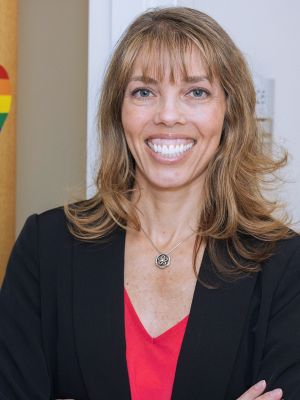
Lindsay Taliaferro, PhD, MPH
Lindsay Taliaferro, PhD, MPH
My top priorities will involve advancing SAHM’s Advocacy and Research Goals, as these two areas directly align with my role as a population health researcher focused on eliminating health inequities among and ensuring social justice for oppressed and minoritized AYAs. My research has shown indirect and moderating effects of state laws and policies on suicide risk among subpopulations of LGBTQIA+ young people, supporting the need for multi-faceted, multisectoral policies and interventions that effect transformative change to redress historical and contemporary structural-level oppressions, injustices, and inequities. SAHM’s advocacy and research goals often overlap and could enhance each other. Further, enhancing SAHM’s members’, including trainees’, capacity to conduct research, such as through professional development opportunities and mentorship, would not only advance equitable medical care and improve health outcomes, but also inform advocacy efforts and advance SAHM’s goals across multiple strategic planning domains. I have significant experience mentoring medical trainees in research and advocacy, as well as collaborating with clinician investigators. My experience as a population health equity researcher leading large interdisciplinary teams, including youth research advisory boards, has equipped me with skills necessary to facilitate collaborations between clinical and nonclinical researchers. Thus, my priorities would involve leading and supporting efforts to positively impact policy, legislation, systems, and practice through multisectoral and interdisciplinary collaboration and youth engagement, while advancing research training, collaboration, and dissemination to promote AYA health equity and social justice. My diverse leadership experiences could translate into building consensus, identifying shared priorities, and helping move SAHM organizational initiatives forward.
I think SAHM must remain a vocal advocate for AYAs, particularly young people negatively impacted by systemic and structural exclusion, erasure, and/or oppression. For example, prompt and widespread dissemination of SAHM position statements and the timely publication of commentaries in the Journal of Adolescent Health in response to exclusionary and discriminatory legislation, disinformation campaigns, and inflammatory rhetoric demonstrate important scientific and professional support against harmful policies and political actions. Enhancing the capacity and willingness of SAHM members to engage in advocacy, research, and/or clinical practice that advances health equity and promotes social justice remain paramount to ensuring all AYAs have equal opportunities and supports to thrive and reach their full potential. Capacity-building could include interdisciplinary educational and professional development strategies, as well as collaborations with youth. The diversity (in all forms) of SAHM’s membership represents a strength upon which the organization could capitalize to enhance all the organization’s goals and meaningfully improve the health and well-being of AYAs in the U.S. and globally. I could help SAHM leverage the diverse membership by facilitating collaborations and connections between researchers and clinicians to translate population-level evidence into clinical guidance, community-based interventions, and measurable improvements in adolescent health and well-being.
I am an Associate Professor in the Department of Population Health Sciences, College of Medicine (COM) at the University of Central Florida, where I also served on the Faculty Council Leadership, including as Faculty Council President. I obtained specialty training in adolescent health through a postdoctoral fellowship in the Department of Pediatrics at the University of Minnesota. As a population health researcher within COM, I have procured $4.8 million in funding from the National Institutes of Health and American Foundation for Suicide Prevention to support my strengths-based research on suicide prevention among and high-quality healthcare for LGBTQIA+ youth. As a Principal Investigator, I lead large interdisciplinary, multisite teams conducting national and state-wide longitudinal and mixed-methods health equity research with large samples of young people. I also have experience translating my research into educational trainings for medical students, pediatric residents, and clinicians in practice, as well as mentoring medical students completing a two-year research project and serving as faculty advisor for the COM LGBTQIA+ Students and Allies Group. My diverse institutional, research, and mentoring roles equipped me with complementary leadership skills. I would bring a public health, primary prevention perspective and intersectionality researcher’s social justice mindset, with an understanding of and appreciation for adolescent clinical care and medical education, to the leadership of SAHM. I have remained an active member of SAHM for 12 years, serving on six different committees, including current membership on the Publications and Editorial Board, Sexual and Gender Diverse Youth Health Committee, and Diversity Committee, and previous membership on the Research Committee, Mental Health Committee, and Program Planning Committee. I believe my educational and professional background, research perspectives and skills, medical education experience, and history in SAHM equip me with unique strengths to lead collaborative initiatives, work across different disciplines, and contribute to the governance of SAHM.
Nominations Committee (2027-29)
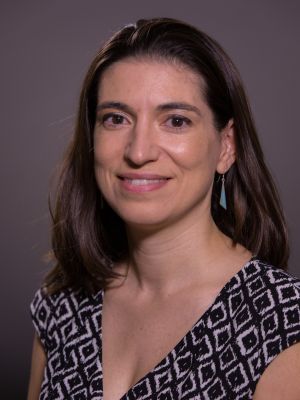
Romina Barral, MD
Romina Barral, MD
When evaluating candidates for leadership roles, I would prioritize several qualities. First, I would look for individuals who have demonstrated the ability to listen, elevate others, build consensus, and foster equitable and inclusive environments where all members feel valued, heard, and supported to thrive. Second, I would value candidates who have shown sustained commitment to adolescent and young adult health through committee service, mentorship, scholarship, advocacy, educational contributions, and other forms of professional engagement. Third, I believe leadership should reflect the diversity of the populations we serve and the membership we represent, including diversity in professional background, geography, race and ethnicity, lived experience, career stage, and institutional setting.
For leadership at SAHM specifically, I would also consider whether candidates bring skills, expertise, and perspectives that align with the organization’s current and emerging priorities. Strong succession planning requires balancing continuity with new ideas and ensuring that leadership teams bring complementary strengths and experiences. Overall, candidates should demonstrate a commitment to advancing health equity, supporting interdisciplinary collaboration, and investing in the next generation of adolescent health professionals.
Finally, I believe the nominations process should be transparent, equitable, and intentional in identifying talented individuals who may not traditionally see themselves represented in leadership roles. The committee plays an important role in cultivating a leadership pipeline that is both excellent and inclusive, ensuring that SAHM continues to evolve, serve its members, and advance the health and well-being of adolescents and young adults.
I am an Associate Professor of Pediatrics and an NIH-funded adolescent medicine physician-researcher with more than 15 years of involvement in SAHM. My clinical, research, educational, and leadership experiences have provided me with a broad perspective on the strengths and needs of our diverse membership and position me well to serve on the Nominations Committee.
Within SAHM, I have contributed through service on the Annual Meeting Planning Committee, including plenary moderation and abstract review, and through the Diversity Committee, where I served in both co-chair and chair roles. I have also participated in national and international collaborations focused on adolescent health equity and sexual and reproductive health through workshops, platform presentations, and more recently, engagement with the International Association for Adolescent Health (IAAH). These experiences have provided insight into the breadth of talent within the organization and reinforced the importance of cultivating collaborations and leadership pathways for members across career stages, disciplines, institutions, and countries.
Outside of SAHM, I have held leadership roles in academic medicine, including service on promotions, faculty awards, and scholarly awards committees, as well as leadership roles in research and community-engaged partnerships. Through my service on faculty review and awards committees, I have evaluated candidates’ scholarly contributions, leadership, mentorship, and service. I currently lead two federally funded multisite research projects and co-lead a third. My research focuses on advancing sexual and reproductive health among adolescents and young adults, particularly those living in rural communities. This work requires strategic planning, fiscal stewardship, coalition building, mentorship, consensus building, and sustained collaboration across health care systems, community organizations, schools, and youth-serving partners. Through these experiences, I have learned how to identify and support leaders who can navigate complexity, build trust, and bring diverse stakeholders together around a shared mission.
I would be honored to contribute these experiences to the Nominations Committee and help identify, support, and elevate leaders who will advance SAHM’s mission, reflect the diversity of its membership, and strengthen the organization’s future
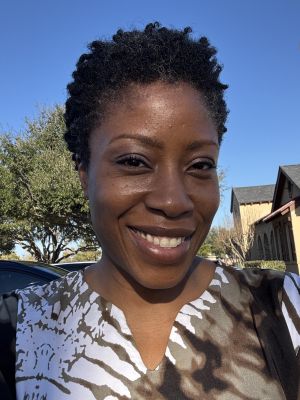
Chinwe Efuribe, MD, MPH
Chinwe Efuribe, MD, MPH
As a member of the Nominations Committee evaluating candidates for leadership, I believe the most important qualities are integrity, strategic vision, accountability, and the ability to nurture others. Effective leaders should demonstrate a strong commitment to the organization’s mission and values, while also showing sound judgment and the capacity to make decisions that support long-term success.
In terms of priorities, I would focus on a candidate’s track record of collaboration, inclusiveness, and results-oriented leadership. It is important to assess not only what a candidate has accomplished, but also how those accomplishments were achieved. Leaders who foster trust, encourage diverse perspectives, and build strong teams are often best positioned to guide an organization through challenges and opportunities.
I would also consider a candidate’s ability to adapt and willingness to learn, as leadership today requires navigating changing environments and emerging issues. Ultimately, the goal is to identify individuals who can balance strategic thinking with empathy, represent stakeholders effectively, and lead with both competence and character.
I bring a blend of clinical expertise, organizational leadership, and youth-centered program development that aligns with the mission of the Society for Adolescent Health and Medicine (SAHM). Board-certified in Pediatrics, Adolescent Medicine, and Lifestyle Medicine, with experience across multiple healthcare systems across the globe, I have built my career around improving care for young people. My experience in clinical practice, public health, non-profit leadership, and statewide reproductive health programming have provided me with a multidimensional understanding of the environments where adolescents live, learn, and receive care.
My leadership experience within SAHM, Austin Black Physicians Association (ABPA) and Every Body Texas (EBTX) have strengthened my ability to support organizations through growth, change, and strategic realignment. At SAHM, I progressed with the Program Committee from Youth Engagement Workgroup Chair to Director of Programs, gaining experience in both operational leadership and strategic planning. At ABPA, I advanced from School Outreach Director to Executive Director and later President, which reinforced the importance of servant leadership, youth-focused mentorship and member engagement. In my role as Medical Director with EBTX supporting Title X subrecipients, I have gained insight into how federally-funded programs are managed across diverse sectors, deepening my appreciation for accountability and mission-driven leadership.
Having advanced through leadership roles at multiple organizations, I bring firsthand insight into the qualities that enable leaders to succeed and grow. These experiences make me well-suited to serve on the Nominations Committee and contribute to identifying leaders who can effectively guide the SAHM’s future.
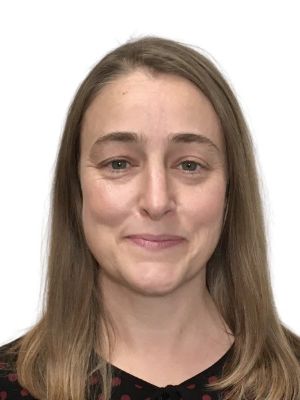
Laura K. Grubb, MD, MPH
Laura K. Grubb, MD, MPH
As a multidisciplinary, global organization, SAHM’s leadership should reflect the breadth and diversity of its membership. When evaluating candidates, I would consider not only their commitment to SAHM’s mission and leadership skills, but also the perspectives and experiences they would bring to the organization. This includes geographic representation, diversity of professional disciplines and career stages, and a range of cultural and other perspectives.
I would look for individuals who demonstrate humility, integrity, sound judgment, and a collaborative leadership style. Equally important is the ability to listen to differing viewpoints, build consensus, and work across disciplines and regions toward shared priorities.
I also believe it is important to recognize leadership potential beyond individuals who have already held prominent positions. The Nominations Committee has an important role in identifying emerging leaders, supporting mentorship, and creating opportunities for broader member engagement. These efforts are essential to SAHM’s long-term vitality and help ensure that leadership opportunities are accessible to members with varied backgrounds and experiences.
Ultimately, building a leadership team with complementary skills, diverse perspectives, and a shared commitment to SAHM’s mission will strengthen the organization and help ensure that it remains responsive to the needs of its members and the adolescents, families, and communities they serve.
I have been a dedicated and enthusiastic SAHM member since 2011. I participated actively in the Advocacy Committee from 2012 to 2019 and served as Chair from 2019 to 2023. Since 2021, I have served as SAHM Liaison to the American Academy of Pediatrics’ Council on Adolescents and Young Adults, and from 2019 to 2023, I served as SAHM Liaison to the AAP’s Committee on Federal Governmental Affairs.
These roles have given me a deep understanding of SAHM’s mission, priorities, and organizational leadership, as well as experience working collaboratively with committees, organizational leaders, and external partners. As Advocacy Committee Chair, I coordinated responses to emerging issues by bringing together subject matter experts, building consensus, securing leadership approval, and collaborating with partner organizations, often under tight deadlines. These experiences strengthened my ability to listen to diverse perspectives, synthesize complex information, facilitate agreement, and help groups move from discussion to action.
From 2024 to 2025, I served as a Regional Advisor for the Substance Abuse and Mental Health Services Administration, planning and implementing public behavioral health programs in collaboration with government agencies, nonprofit organizations, and private-sector partners. This experience broadened my perspective on leadership across institutions and sectors.
I would bring to the Nominations Committee a deep understanding of SAHM, a longstanding commitment to its mission, and a collaborative leadership style. I would welcome the opportunity to draw on my experience and relationships to help identify leaders with the diverse perspectives, skills, and vision needed to guide SAHM’s continued growth and impact on adolescent health.
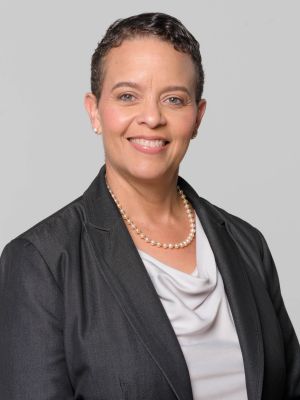
Abigail Harrison, MD
Abigail Harrison, MD
Members of SAHM’s nominating committee should have a good understanding and appreciation of the roles played by all elected members of the Board and Council . This knowledge will support them in identifying nominees that are able to fill the role successfully and effectively. Members of the nominating committee therefore should be self-aware of any potential personal bias so as to guard against it and should at all times strive to maintain transparency of the nomination process to allow for fair selection of the cadre of nominees, free from ‘bias’ and ‘undue influence’.
The Committee should prioritize diversity, including but not limited to gender, professional category, stage of career and location – US based and international. Careful review by the Nominations committee of all documents submitted for consideration must be prioritized to ensure the best candidates are selected for presentation to the voting membership for elections.
I have enjoyed my 17 years of SAHM membership, having been able to experience membership within SIGs, SAHM’s International Chapter (IC) and most recently to serve on the SAHM Board. This has allowed me to see the inner workings of many SAHM leadership roles, affording me a deeper understanding of the personal qualities and skill sets that SAHM’s elected officials must possess. This will serve me well if selected as a member of the Nominations committee as we review the applicants for the various elected positions with a goal of presenting the best candidates to our wider membership for voting and determination.
I have had the opportunity to work with a diverse group of professionals across the Caribbean and internationally through my various roles over the years, within and outside of SAHM (President of SAHM’s IC, Vice-President (Caribbean region) International Association for Adolescent Health (IAAH), President of the Caribbean Association for Adolescent Health and President of the Paediatric Association of Jamaica.
I am happy to serve if selected.
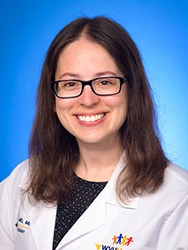
Kacie Kidd, MD
Kacie Kidd, MD
When evaluating candidates for leadership roles within SAHM, I would prioritize individuals who demonstrate a strong commitment to the Society’s mission, a vision for advancing adolescent health, and a record of collaborative service. Effective leaders should embrace SAHM’s multidisciplinary identity, value diverse perspectives and lived experiences, and actively cultivate opportunities for mentorship and engagement across career stages.
I would also prioritize candidates who demonstrate integrity, sound judgment, resilience, and a willingness to advocate for evidence-informed, equitable, and developmentally appropriate adolescent health care, particularly in challenging political and social environments. The strongest leaders view leadership as service rather than recognition. They bring not only a history of meaningful contributions but also the strategic vision, collaborative spirit, and commitment necessary to strengthen SAHM’s relevance, influence, and impact.
I would bring a combination of clinical, research, educational, and advocacy leadership grounded in a longstanding commitment to improving adolescent health. My roles in SAHM include service as a Co-Leader of the LGBTQ+ Health SIG, member of the Sexual and Gender Diverse Health Committee, member of the Publication Editorial Board, and member of the Conference Planning Committee. As an adolescent medicine physician and researcher, my work focuses on LGBTQ+ and gender-diverse youth, rural health, and equitable access to evidence-based care. I have published more than 60 peer-reviewed articles, developed multidisciplinary collaborations across more than a dozen institutions, and mentored more than 30 learners. My external leadership experience includes service on the USPATH Board as well as national advocacy initiatives which have strengthened my ability to build coalitions, navigate complex environments, and lead collaboratively. I would bring SAHM a commitment to inclusive leadership, strategic vision, mentorship, and organizational service, with a focus on strengthening our collective voice, developing future leaders, and advancing SAHM’s mission in an increasingly challenging landscape.